ECOPs Empowered through FuncTec Monitoring

Photo credit: Alex Vasey/Unsplash

PROJECT SUMMARY

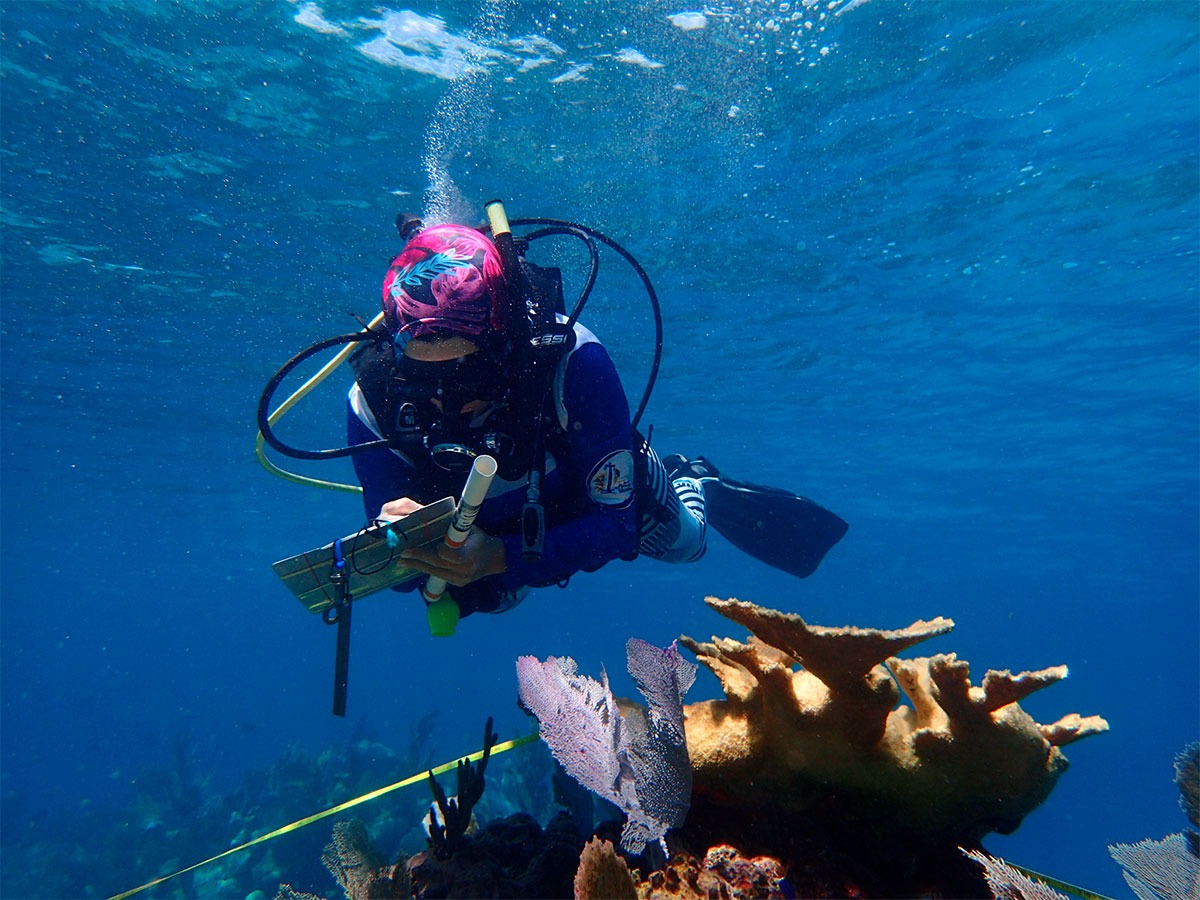
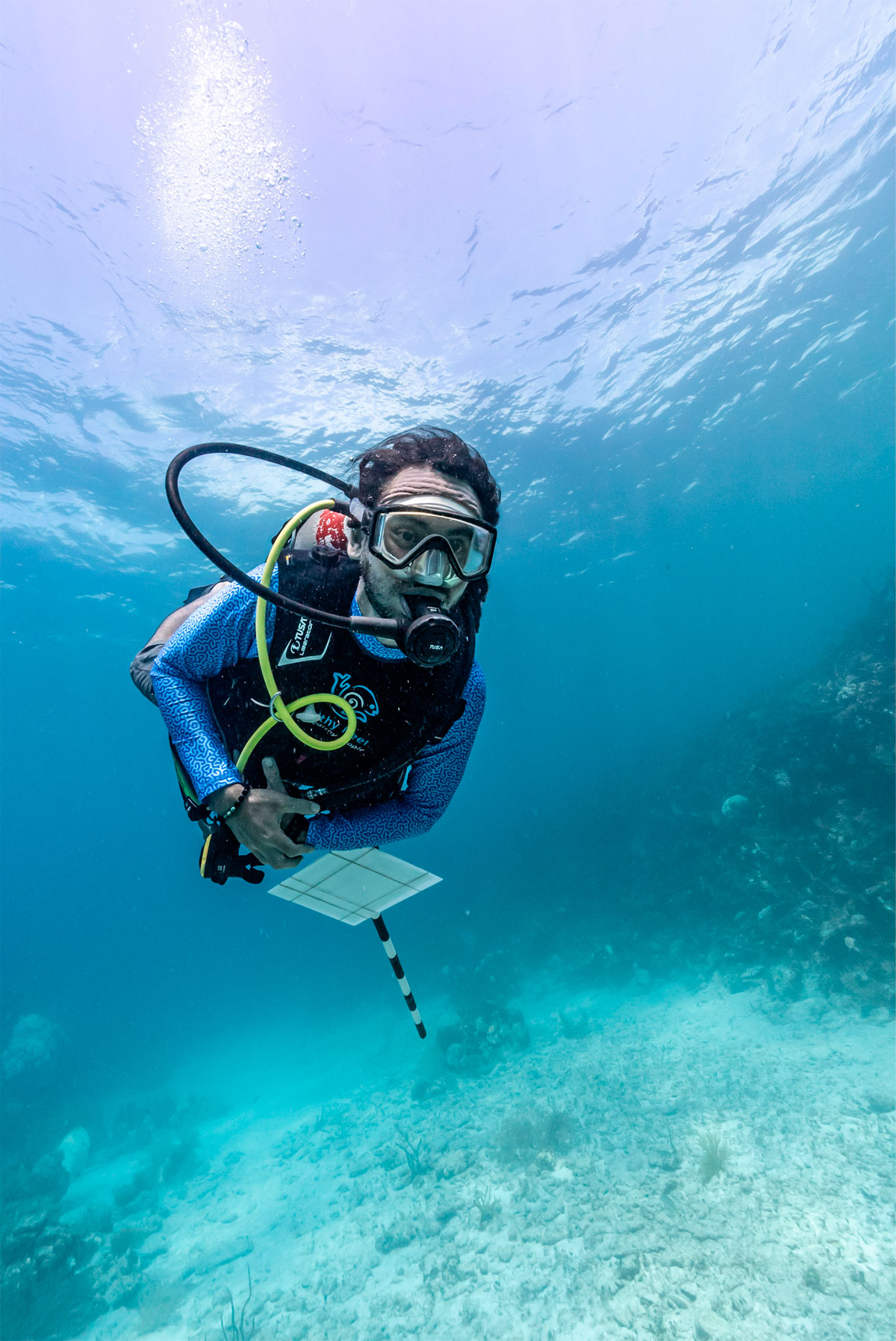
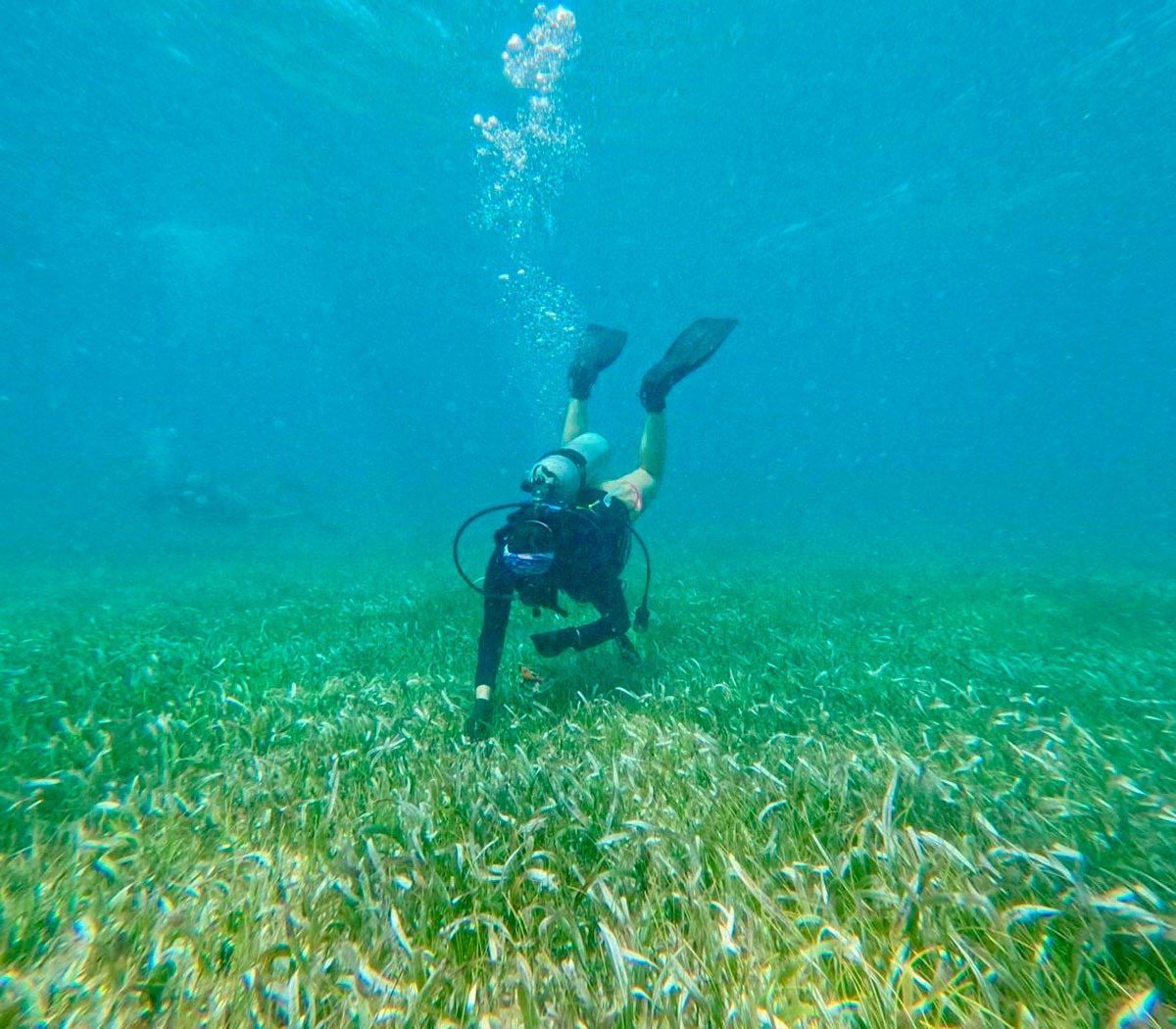
ECOPs Empowered through FuncTec Monitoring is a Decade Action focused on strengthening the capacity of Early Career Ocean Professionals to monitor reef fish functions across the Yucatán Peninsula, the Gulf of Mexico, and the Mesoamerican Reef.

The project combines functional ecology, standardized field monitoring, and emerging technologies to generate practical tools for understanding how reef fishes contribute to ecosystem processes. Through training, collaborative fieldwork, open-access resources, and applied indicators, the project seeks to support conservation, management, and long-term regional monitoring.

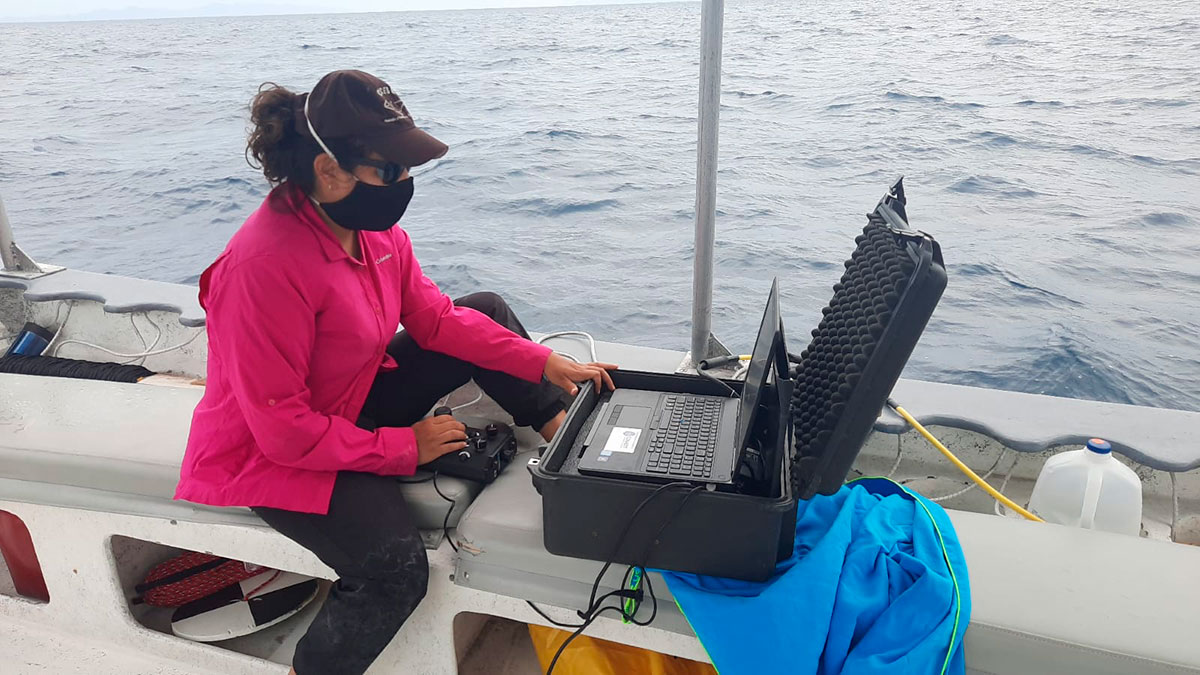
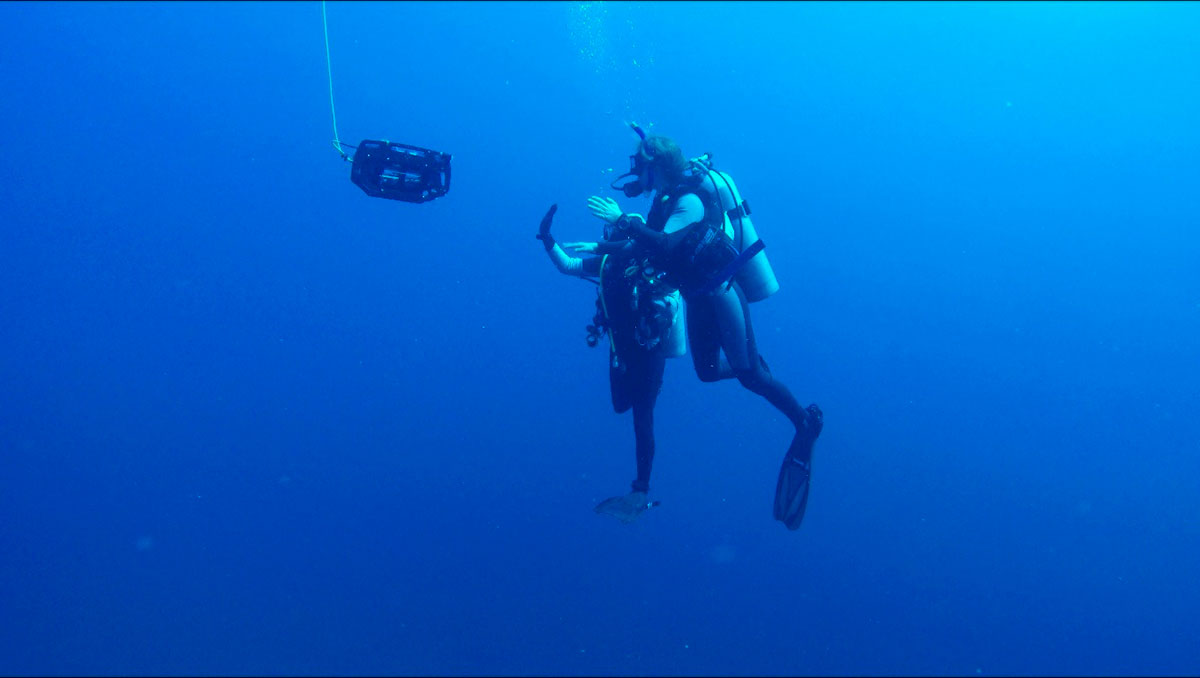
Key tools include stereo-video, underwater photogrammetry, environmental DNA, respirometry,

PROJECT LEAD

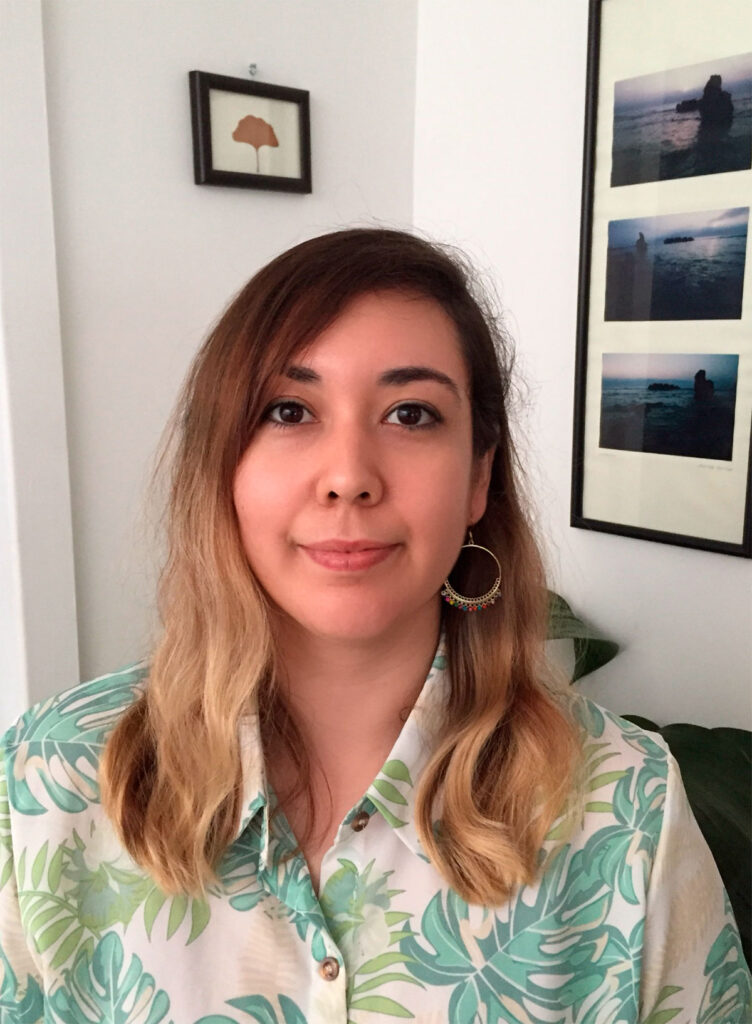
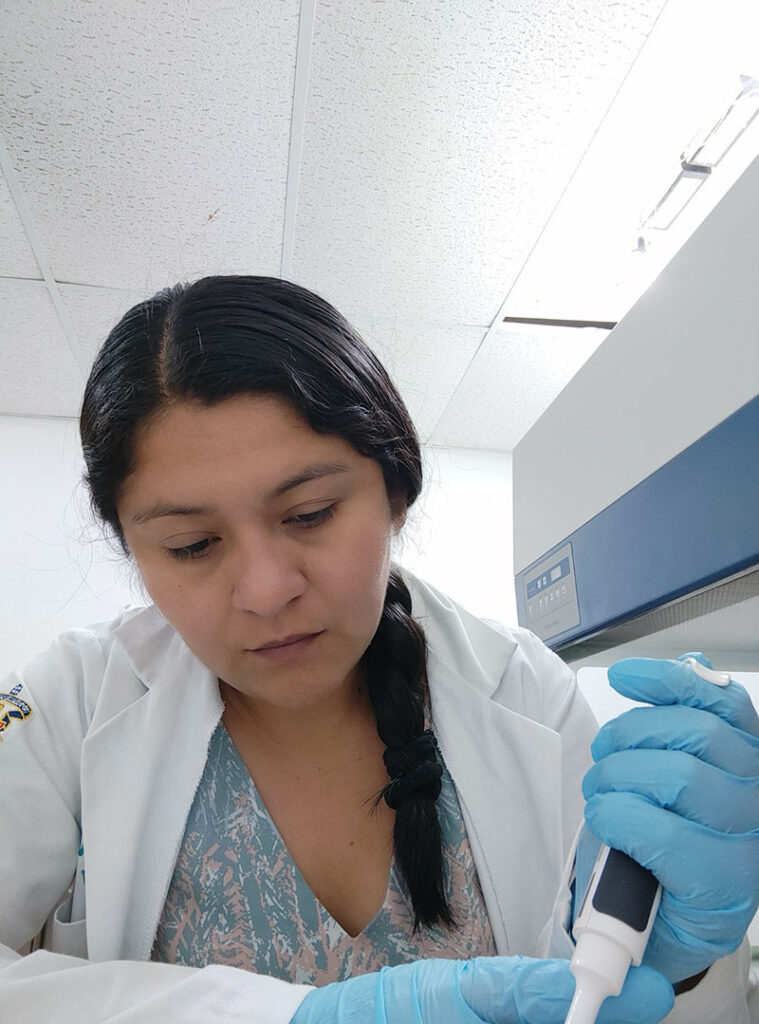
Diana Morales de Anda

Contact: dianae.moralesa@cinvestav.mx

Affiliation: Researcher, Department of Marine Resources, Cinvestav Mérida

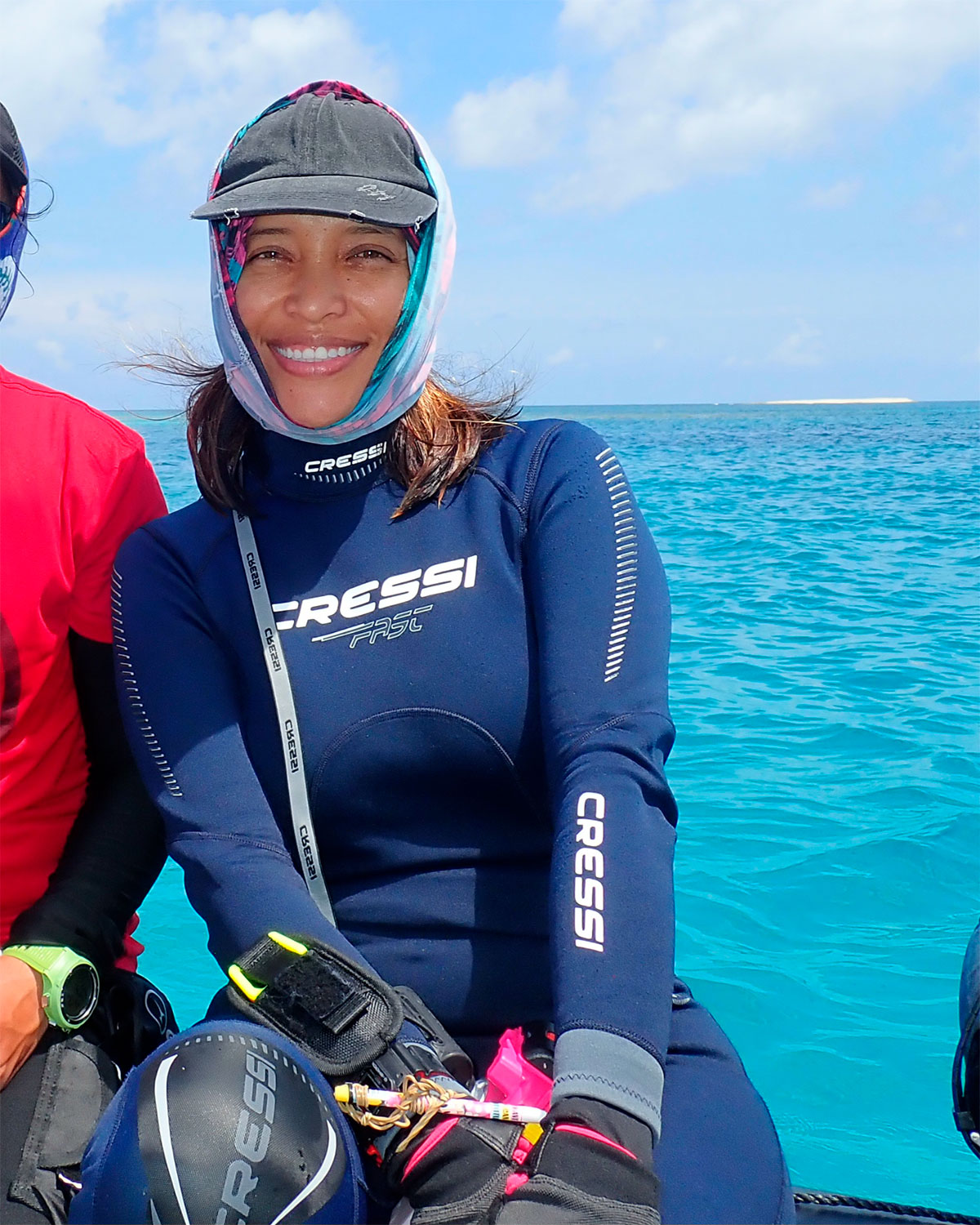
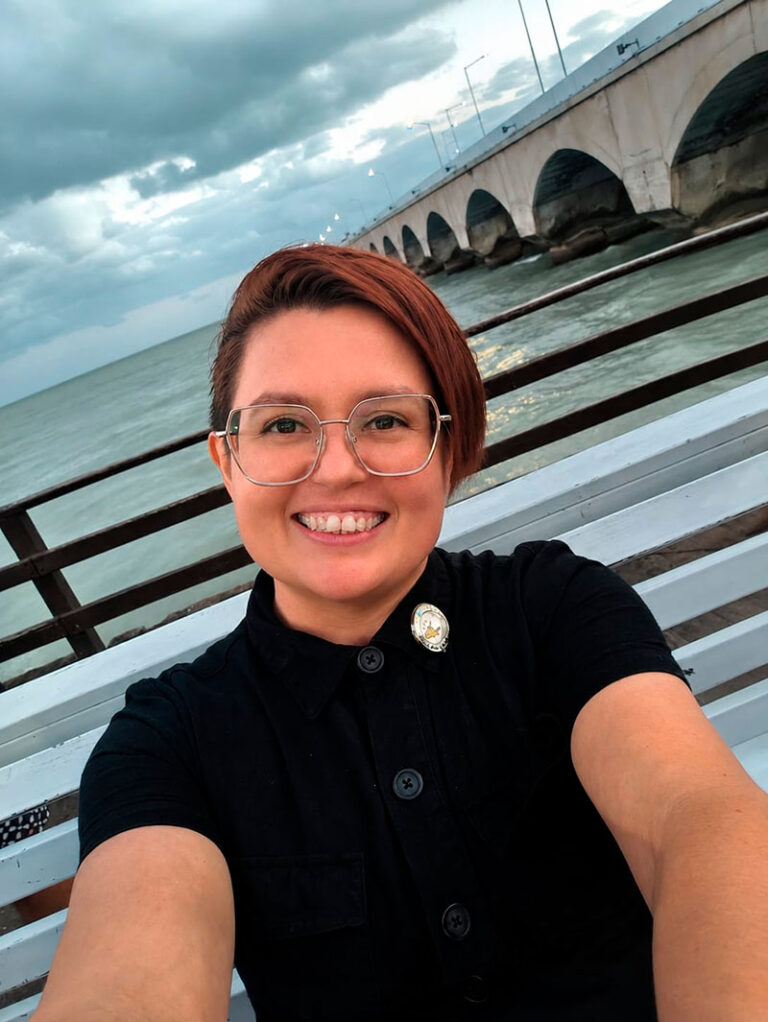
Diana Morales de Anda is a marine biologist and researcher at the Department of Marine Resources, Cinvestav Mérida. Her work focuses on the functional ecology of reef fishes, trait-based monitoring, and the integration of emerging technologies for marine conservation. As Project Lead, she coordinates the scientific vision, methodological development, partner collaboration, student participation, and capacity-building activities of ECOPs Empowered through FuncTec Monitoring.

PROJECT LEAD INSTITUTION

Center for Research and Advanced Studies of the National Polytechnic Institute (Cinvestav) Unit Mérida, Department of Marine Resources.
The project is led by the researcher in the Department of Marine Resources at Cinvestav Mérida, a Mexican research center focused on coastal and marine ecosystems, biodiversity, and marine resource management. Cinvestav contributes scientific expertise, student training, laboratory capacity, and institutional support to the project’s implementation.

PROJECT LEAD TEAM

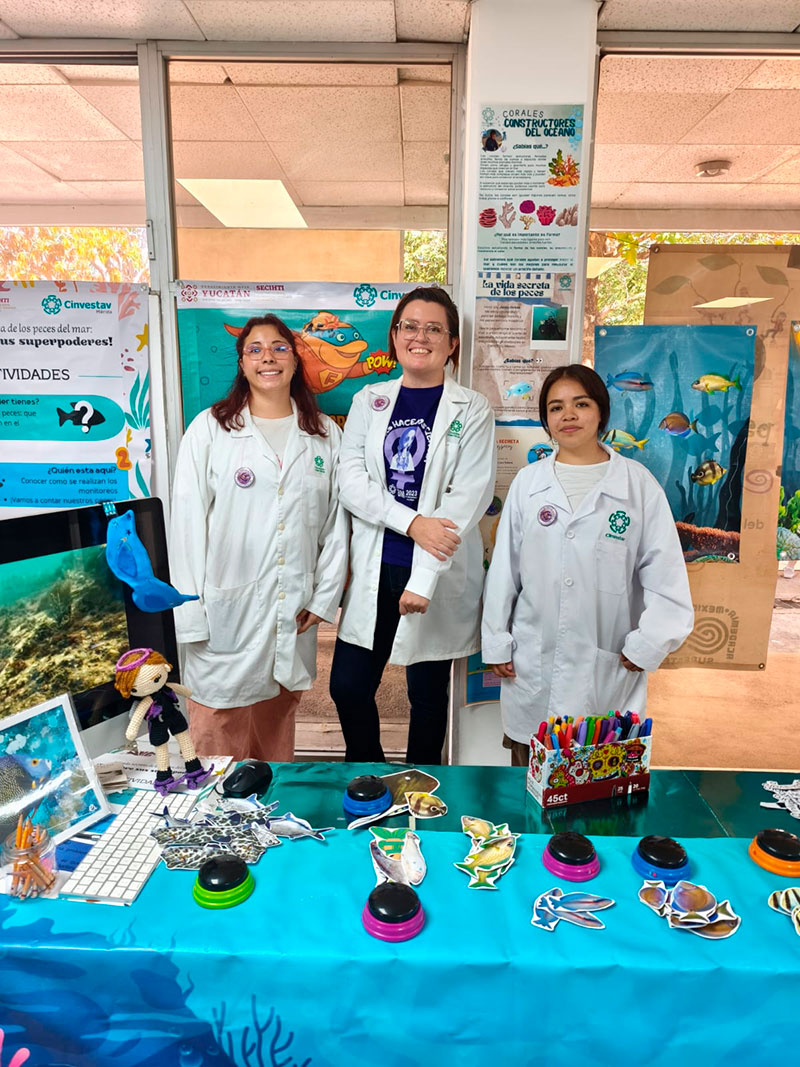
The project lead team includes graduate and undergraduate students who will participate in field monitoring, video processing, trait data compilation, ecological analyses, outreach activities, and the development of open-access resources. The project also benefits from the valuable collaboration of research assistants and departmental facilities, including the Laboratory of Fish Ecology and Taxonomy, the Chemistry Laboratory, and the technical workshop, with special support from Eng. Ángel Gerardo Chay May.

2026–2027 student cohort. Graduate students: Andrea Melina Fonseca Tova, Cora Hsierra Santiago, Brisa Paola Castillo Pat, Nayali Trinidad Muñiz Espinoza, and Irany Monroy Silva (Cinvestav); José Andrés Hidalgo de la Torre (CICIMAR-IPN). Undergraduate students: Zelva Jeanette Loza Soltero, Jarely Soto Ochoa, Julián Salem Romo, Ana Claudia Montes Carrillo, and María Fernanda Tarazona León (University of Guadalajara); Romina Ramón Aguirre (Autonomous University of Yucatán).

PROJECT PARTNERS

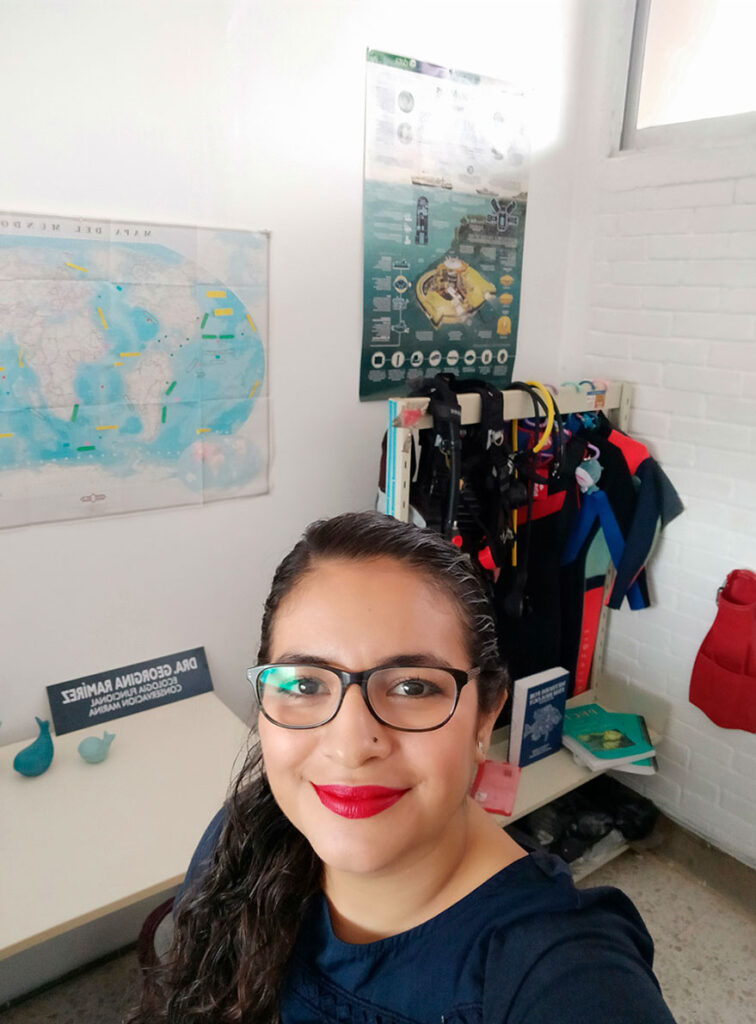
Affiliation: Researcher, Instituto de Ciencias del Mar y Limnología, Universidad Nacional Autónoma de México, Mazatlán.

Expertise: Biodiversity assessment in marine protected areas, focusing on spatial and temporal patterns and the natural and human-driven factors that shape them. This work supports conservation strategies for representative marine ecosystems in Mexico and the continuity of their ecological functions, processes, and ecosystem services.

Ana Lilia Molina Hernández

Afiliation: Postdoc UMDI-Sisal, Facultad de Ciencias (UNAM) Puerto de Abrigo.
Expertise: Biodiversity and ecosystem structure of tropical coastal ecosystems, focusing on calcification, bioerosion, herbivory, and sediment production through in situ monitoring, remote sensing, and quantitative analyses.

Aarón Israel Muñiz Castillo

Affiliations: 1Marine scientist at Healthy Reefs for Healthy People; 2Associated Researcher at Laboratorio de Conservación Marina del Smithsonian Environmental Research Center.

Expertise: Spatial and temporal dynamics of tropical marine ecosystems, with emphasis on ecological data analysis, GIS, coral reef benthic monitoring, early warning systems, reef restoration, and conservation.

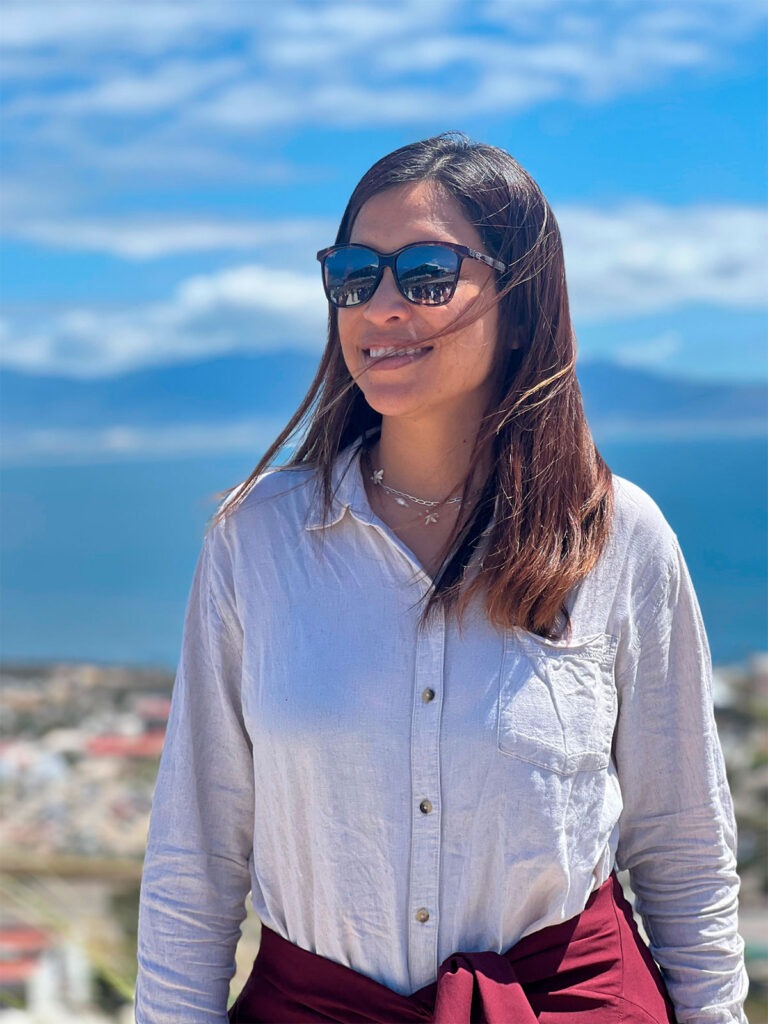
Hazel María Canizales Flores

Affiliation: Postdoc researcher at Unidad Académica de Sistemas Arrecifales del ICML, Universidad Nacional Autónoma de México (UNAM), Puerto Morelos.

Research line: Ecological interactions and ecosystem functioning in coastal marine ecosystems of the Mexican Caribbean, with emphasis on trophic networks, ecological connectivity, and energy flow using stable isotope analysis.

Jeimy Denisse Santiago Valentín

Affiliation: Departamento de Estudios para el Desarrollo Sustentable de Zonas Costeras, CUCSur, Universidad de Guadalajara.

Expertise: Integrative taxonomy and physiology of marine organisms associated with coral reef ecosystems, combining morphological, molecular, and ecological tools to study biodiversity, larval development, and physiological responses to environmental change.

WHY THIS PROJECT MATTERS?

Reef fishes sustain key ecosystem processes, including nutrient cycling, energy flow, habitat use, and connectivity across coastal and reef systems. Yet many of these functions remain poorly captured by conventional monitoring programs, especially in smaller, understudied, or locally important reef habitats.

This project addresses that gap by building a three-year pathway for functional monitoring: first, by developing protocols and training ECOP working groups; then, by expanding field monitoring and integrating data; and finally, by releasing open-access products, outreach materials, and applied indicators.

By combining ecological knowledge, standardized field methods, and emerging technologies such as stereo-video, photogrammetry, environmental DNA, respirometry, nutrient flux proxies, and artificial intelligence, the project will help describe not only which fish species are present, but also what ecological roles they play and how those roles vary across habitats and regions.

At the same time, the project places ECOPs at the center of the process through training, mentorship, field participation, and collaborative data analysis. In this way, the project aims to make reef fish functions more visible, measurable, and useful for conservation and management.

WHY THIS PROJECT MATTERS?

The third year will focus on synthesizing data, releasing open-access resources, producing outreach and policy-relevant materials, and developing ECOP-led publications and presentations. The project will consolidate functional indicators, technical protocols, and collaborative networks that can support long-term monitoring beyond the project timeline.
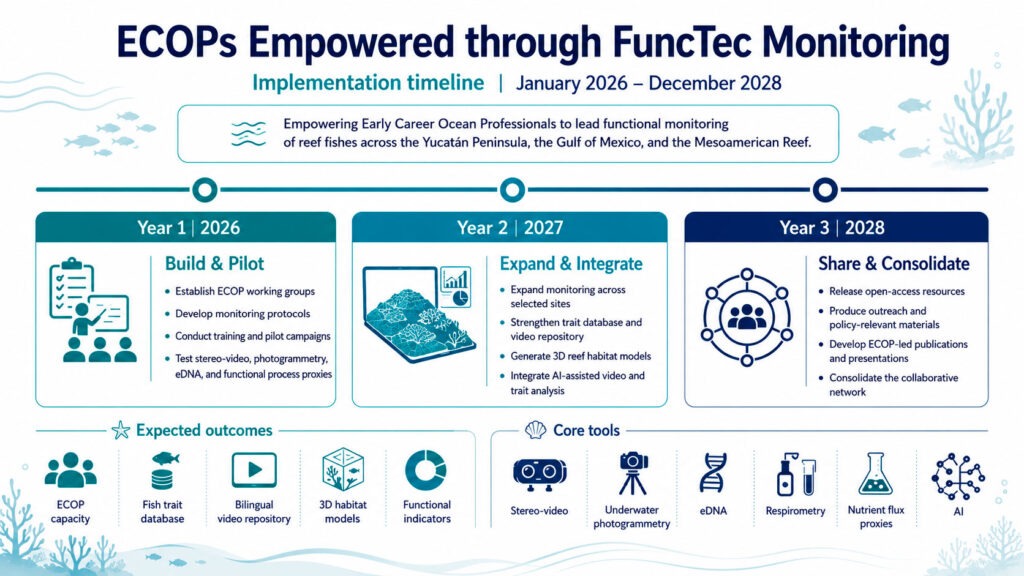
Figure 1. Implementation timeline of ECOPs Empowered through FuncTec Monitoring, January 2026–December 2028.

The second year will expand monitoring activities across selected reef and coastal sites. The project will strengthen the fish trait database and the bilingual video repository, generate three-dimensional habitat models for priority sites, and explore integrating complementary tools, including eDNA, nutrient flux proxies, respirometry, and AI-assisted video analysis. ECOP-led analyses will begin identifying functional indicators linked to ecosystem processes and habitat complexity.

During the first year, the project will focus on establishing ECOP working groups, developing standardized monitoring protocols, and conducting initial training activities. Pilot field campaigns will test core methods, including stereo-video, fish functional monitoring, underwater photogrammetry, benthic characterization, and data management workflows. This phase will also begin compiling fish trait information and video material for the open-access repositories.
EXPECTED OUTCOMES

  • Trained ECOP cohorts with leadership capacity in functional reef fish monitoring.
  • Standardized protocols for field monitoring, video processing, trait compilation, and functional indicator development.
  • An open-access reef fish trait database.
  • A bilingual video repository for reef fish monitoring, training, and education.
  • Three-dimensional habitat reconstructions for selected reef sites.
  • Functional indicators linked to ecosystem processes, fish traits, and habitat complexity.
  • ECOP-led scientific outputs, presentations, and outreach materials.
  • Increased participation of students, communities, and early-career researchers in functional monitoring.

Partners and collaborators can contribute to one or more of the following areas:

  • Field monitoring and data collection
  • Stereo-video and image-based monitoring
  • Underwater photogrammetry and 3D habitat reconstruction
  • Fish trait data compilation and validation
  • eDNA, respirometry, stable isotopes, and nutrient flux proxies
  • AI-assisted video analysis and data processing
  • Student training, ECOP mentorship, and field courses
  • Outreach, science communication, and bilingual educational materials
  • Connections with management, conservation, and local monitoring initiatives

ADDITIONAL INFORMATION

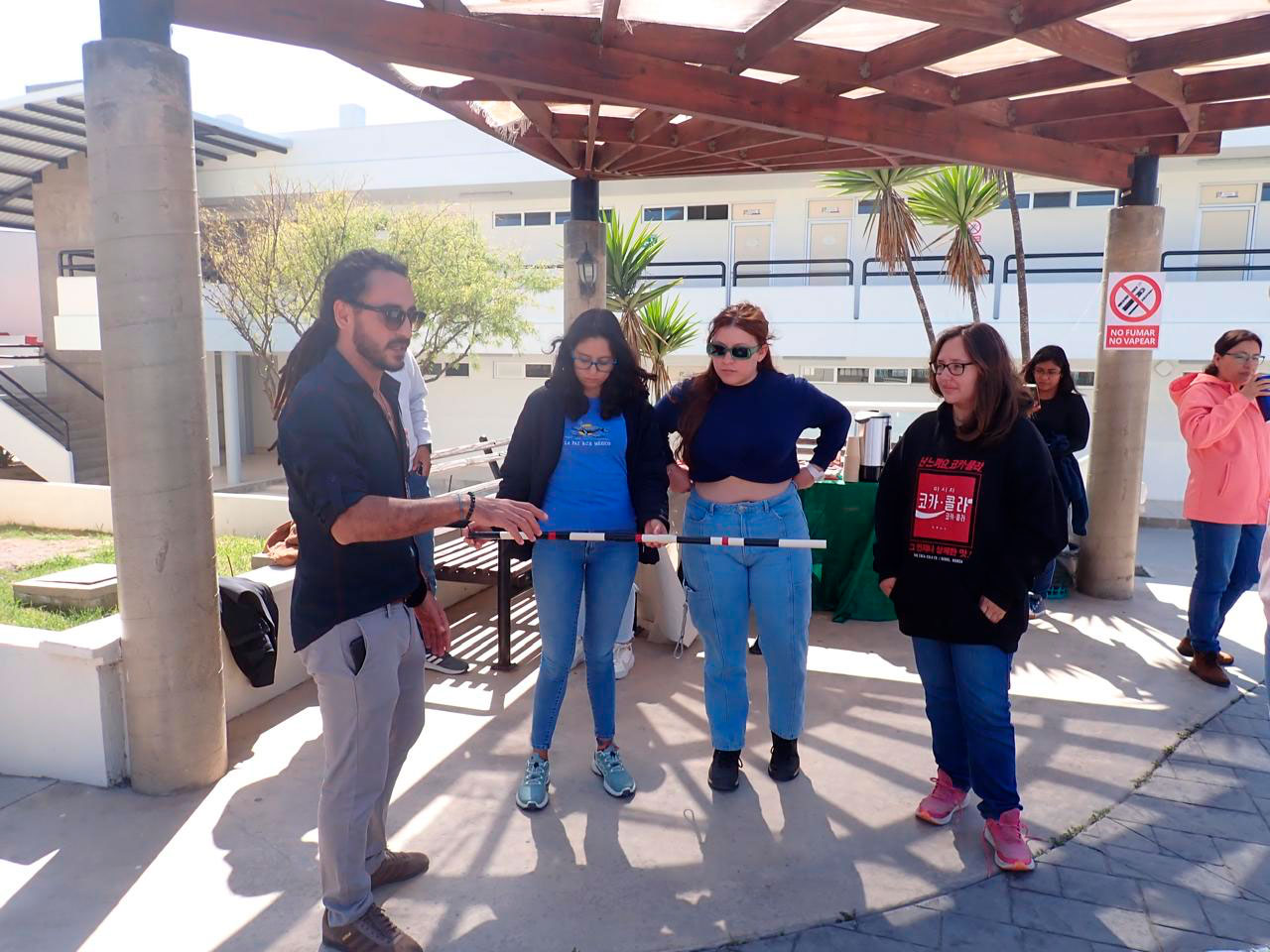
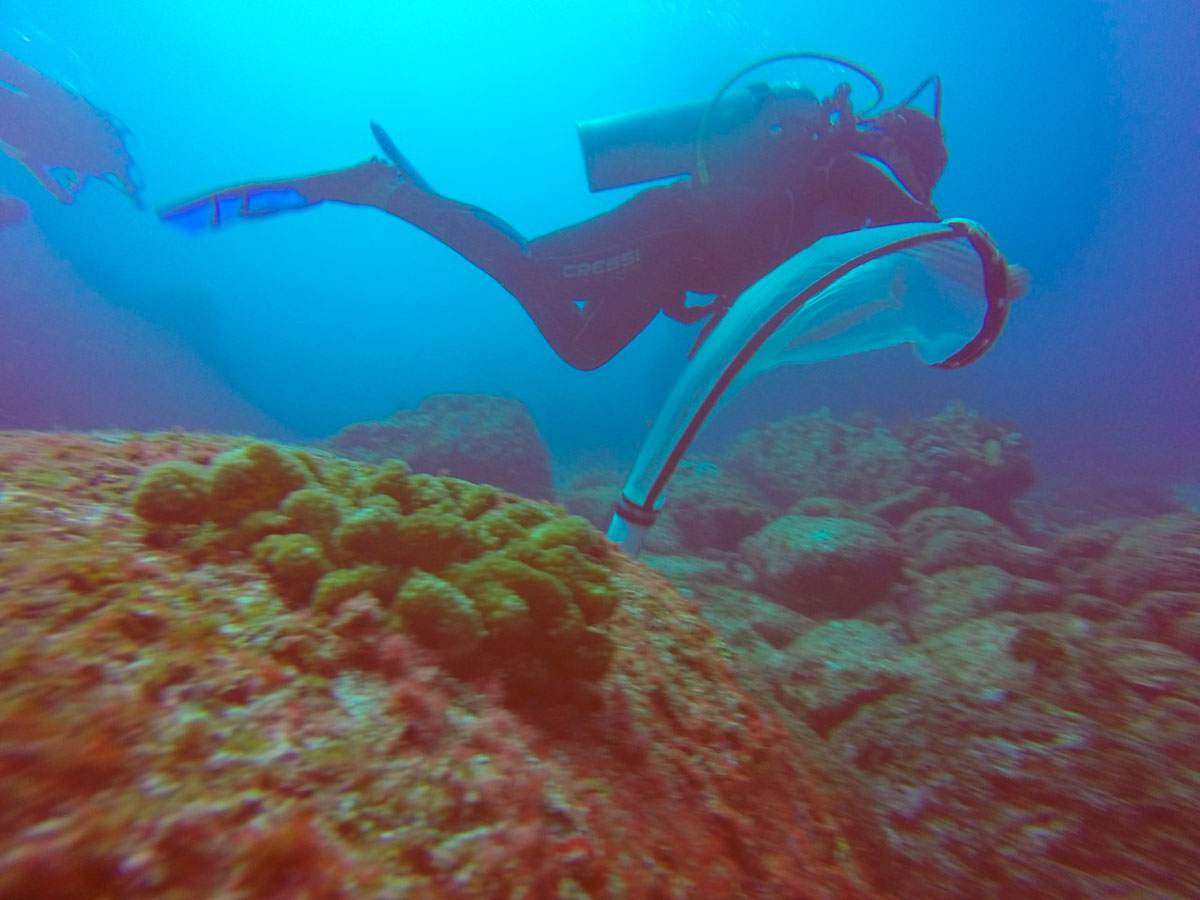
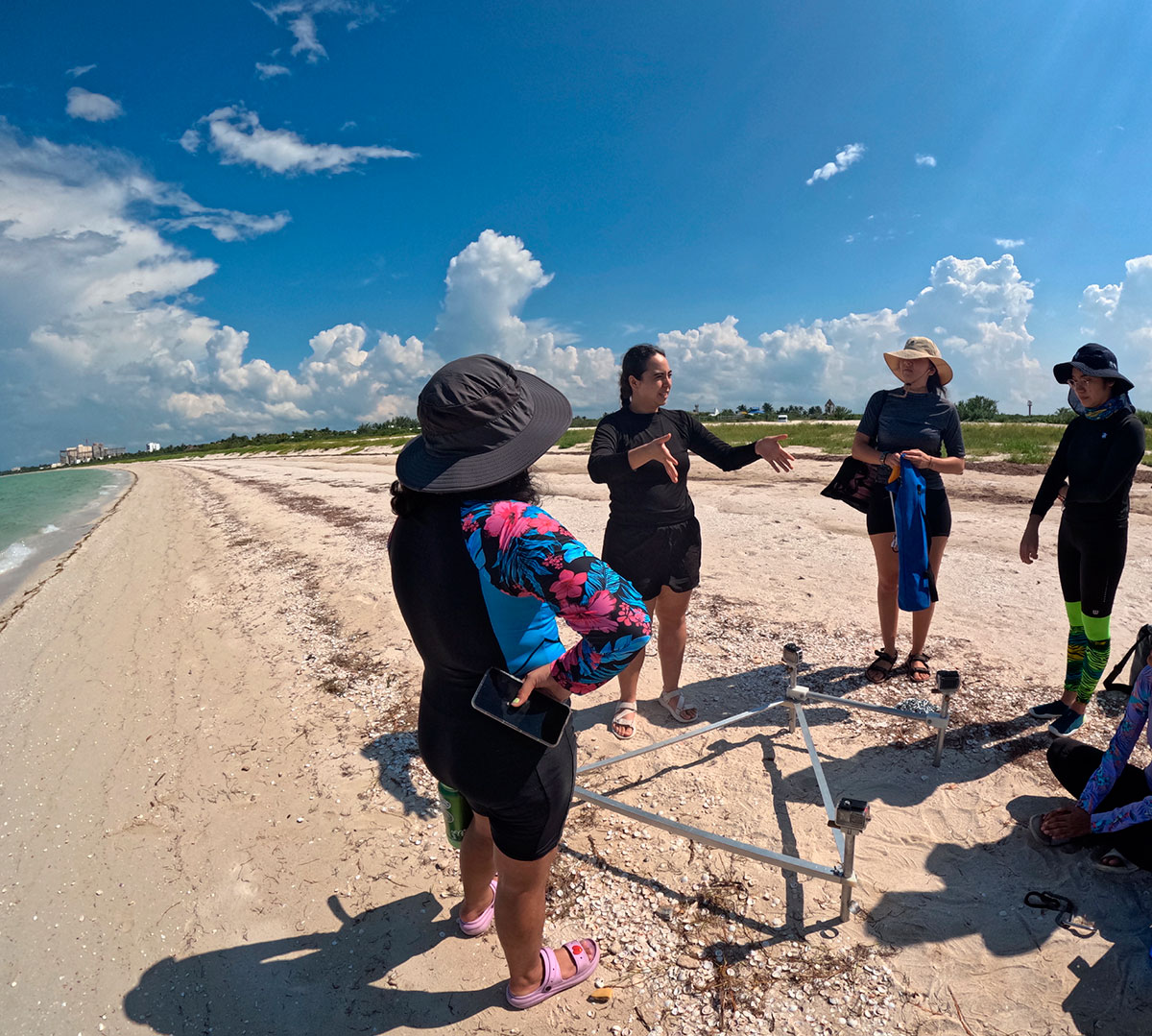
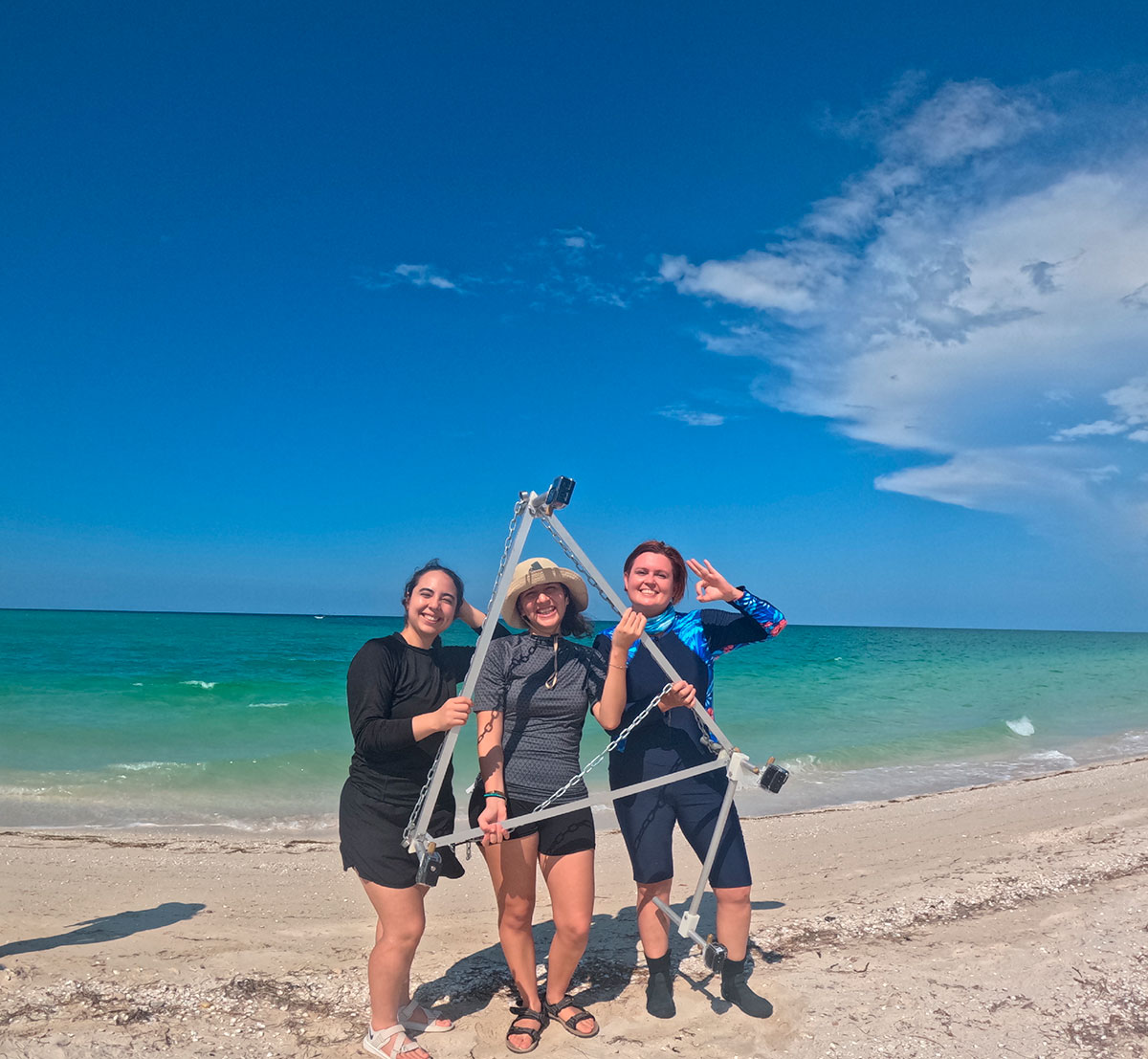
Figure 1. Prototype camera network system under development for reef monitoring. Left: Undergraduate student Jarely Soto and Selva Loza explaining camera deployment. Right: Jarely Soto, Selva Loza, and Diana Morales. Photo credit: Project team.

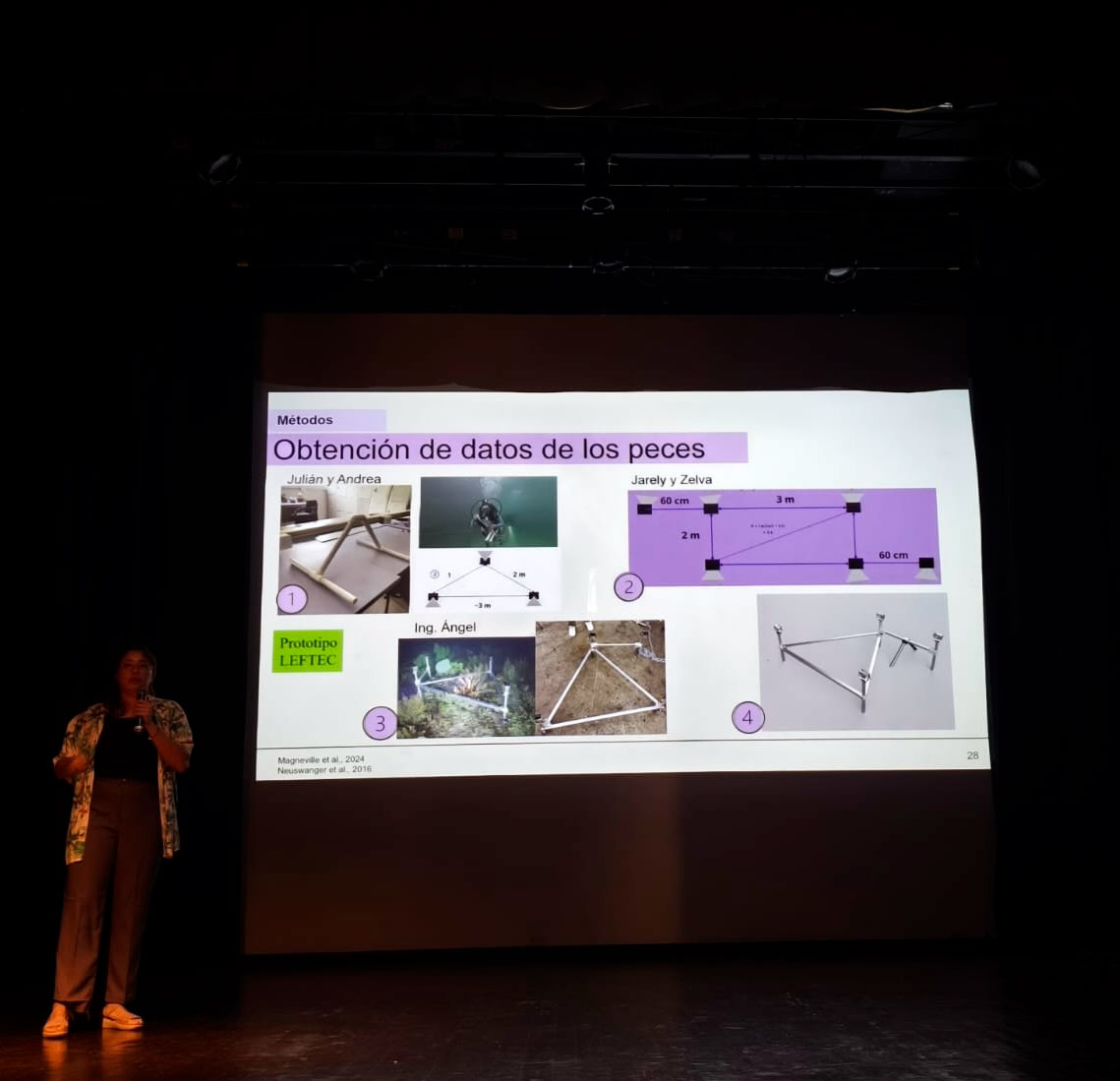
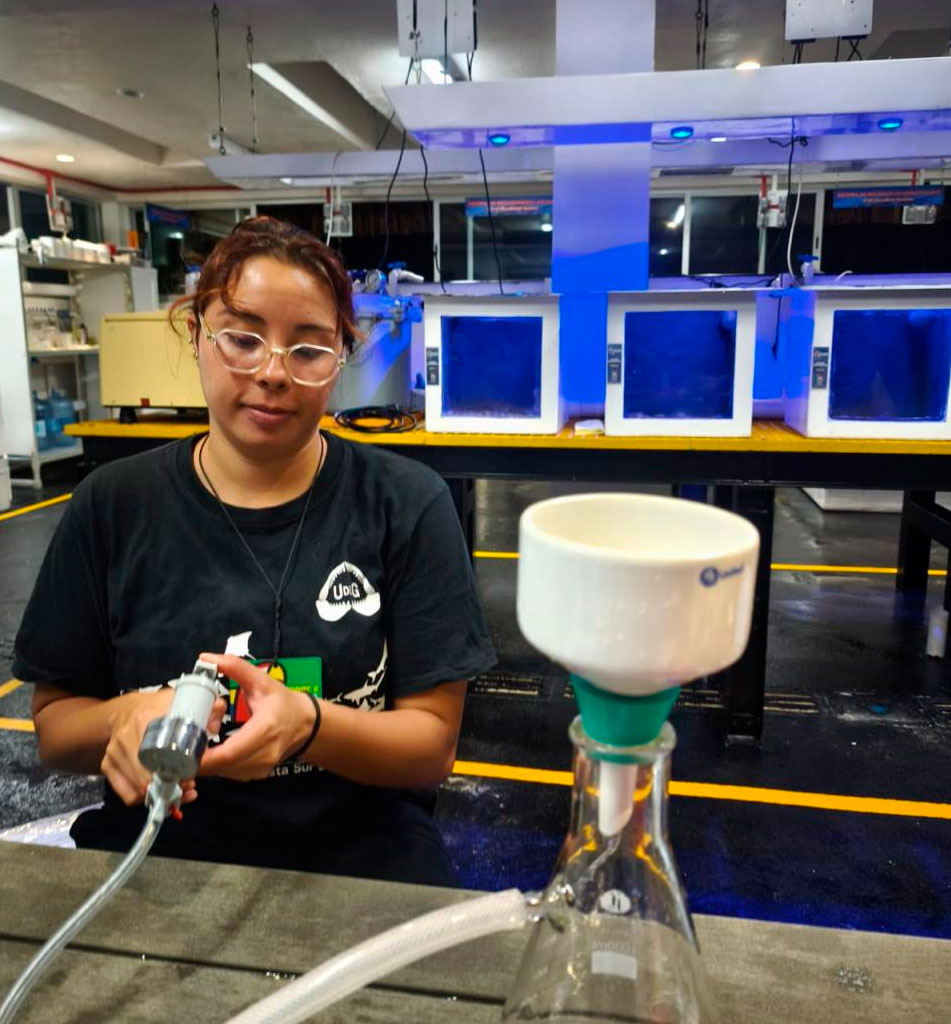
Figure 2. Master’s student Andrea Fonseca’s project on nutrient fluxes mediated by fish. Left: presenting her project and the development of the prototype at Cinvestav seminars; right: sample filtration at the “Laboratorio de Corales” in Xcaret. Photo credit: Project team.

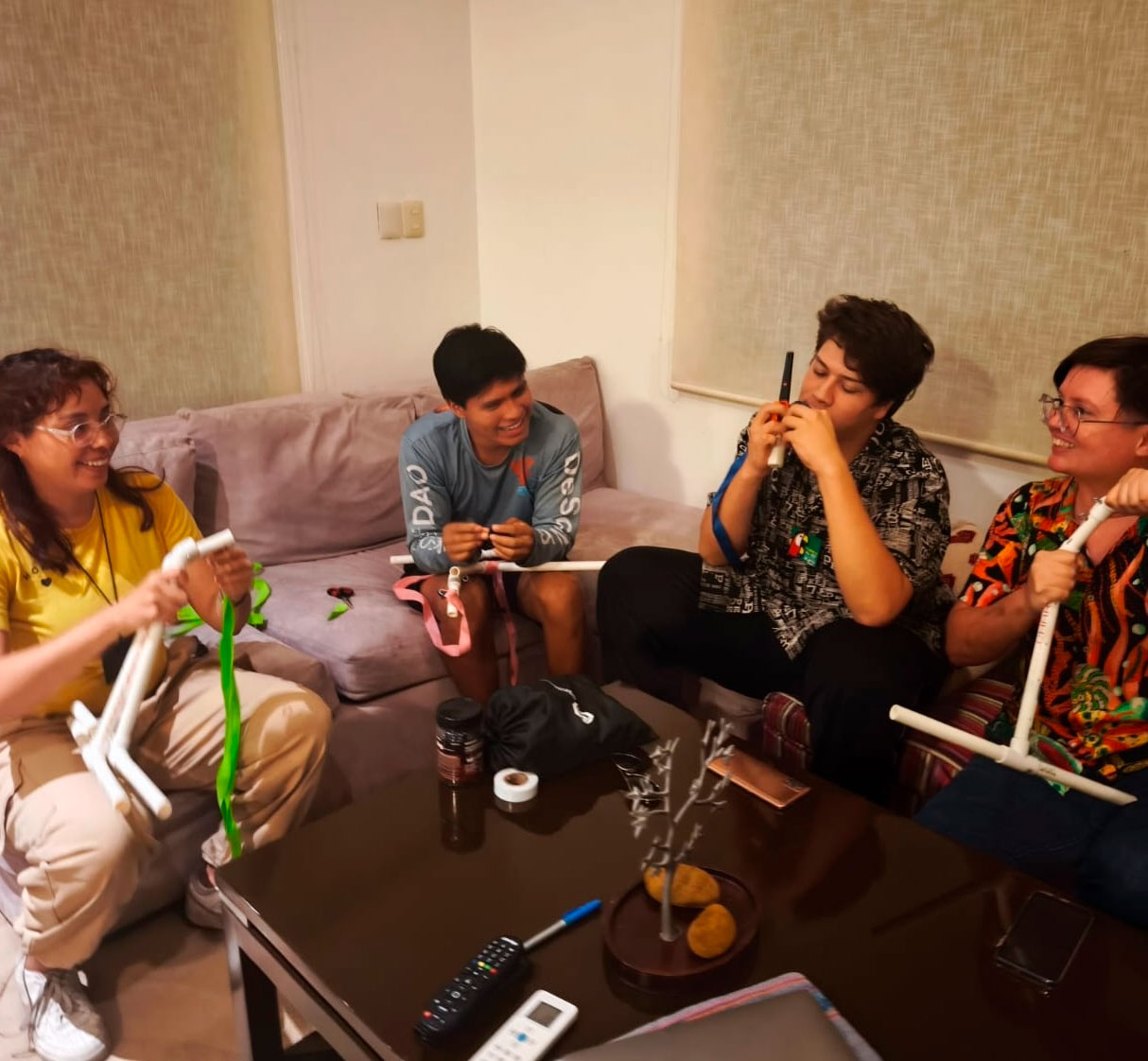
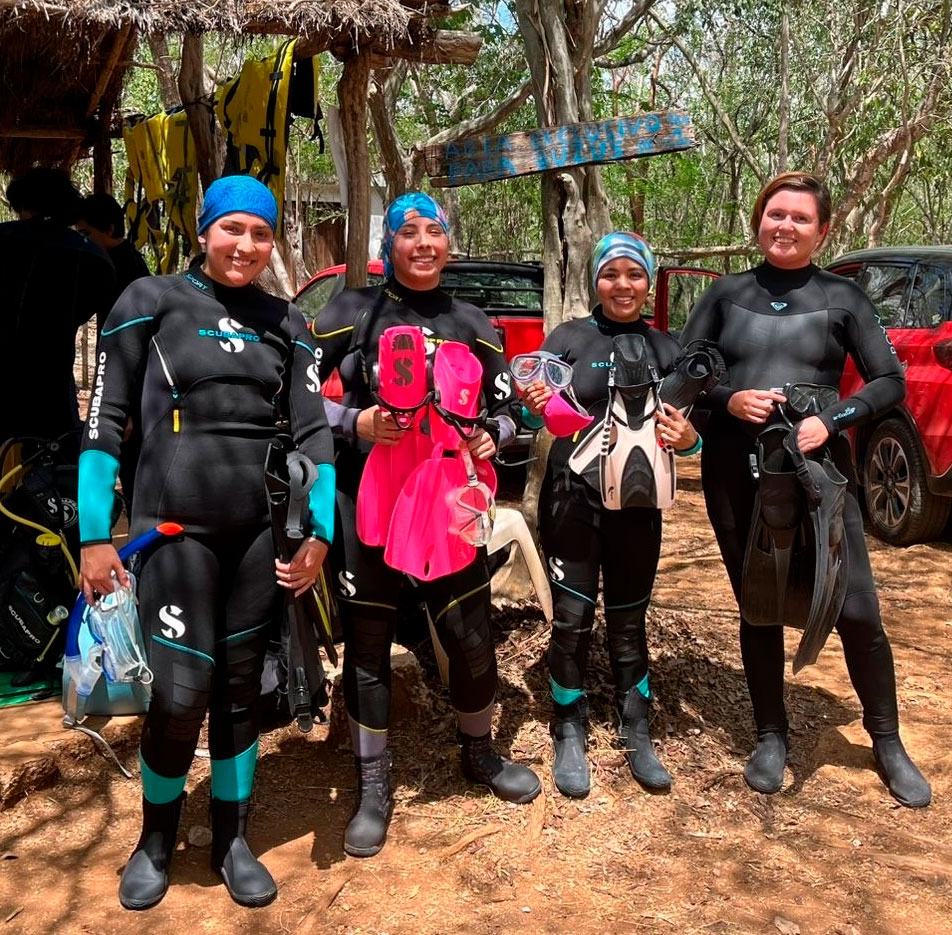
Figure 3. Student participation and training with members of the initial phase initiative. Left: Preparation of the first prototype built by students, Andrea Fonseca, Andrés de la Torre, Julián Salem, and Diana Morales. Right: Diving training in Noh-Mozon Cenote, Yucatán, prior to the April 2026 monitoring expedition, Maria Fernanda Tarazona, Andrea Fonseca, Claudia Montes, and Diana Morales. Photo credit: Project team.

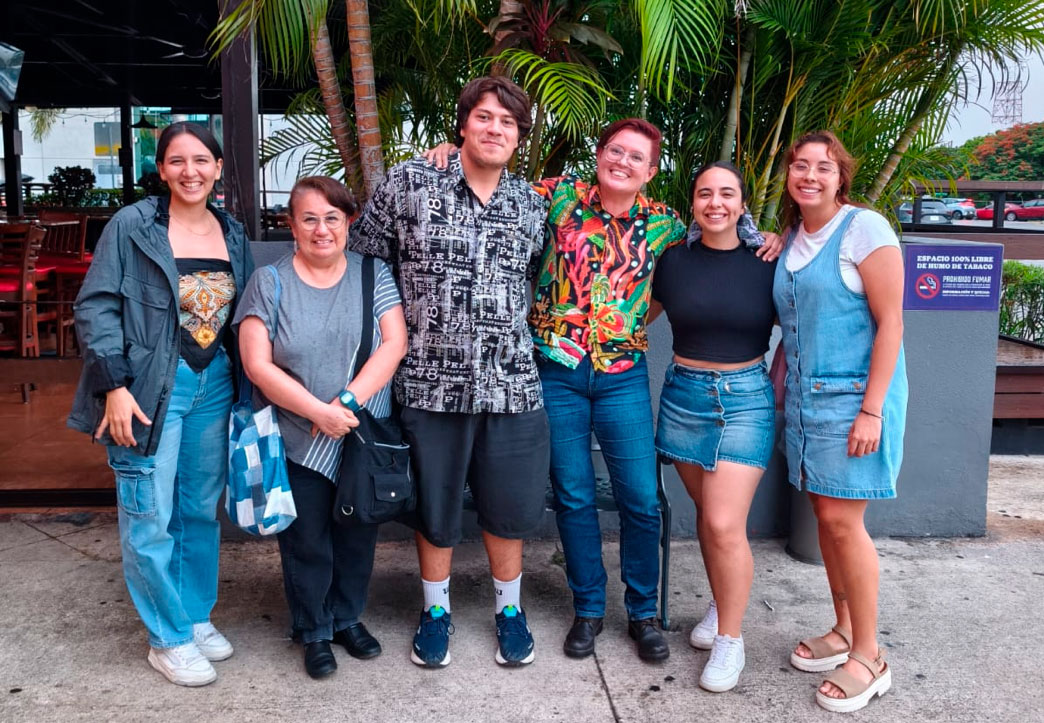
Figure 4. Members of the project team during the initial phase of the initiative. From left to right: Zelva Loza, Mirella Hernández, Julián Salem, Diana Morales, Jarely Soto, and Andrea Fonseca. Photo credit: Project team.

Subscribe to our Newsletter

Share Your Opportunities with Us!

Fill out the form and share the exciting opportunities with ECOPs.

Please note that we will not publish or disclose your personal details on our website. We will use these in case we would need to contact you regarding this opportunity you are submitting.

Details

Thanks for sharing this information with us! You have made a great contribution to support ECOPs from across the world in their studies, career and networking!

Share Your Opportunities with Us!

Lorem ipsum dolor sit amet, consectetur adipiscing elit. Ut elit tellus, luctus nec ullamcorper mattis, pulvinar dapibus leo.

Share Your Opportunities with Us!

Fill out the form and share the exciting opportunities with ECOPs.

Contact Details

Please note that we will not publish or disclose your personal details on our website. We will use these in case we would need to contact you regarding this opportunity you are submitting.

Opportunity

Share Your Opportunities with Us!

Fill out the form and share the exciting opportunities with ECOPs:

Contact Details

Please note that we will not publish or disclose your personal details on our website. We will use these in case we would need to contact you regarding this opportunity you are submitting.

Opportunity

Optional

Share Your Opportunities with Us!

Fill out the form and share the exciting opportunities with ECOPs:

Contact Details

Please note that we will not publish or disclose your personal details on our website. We will use these in case we would need to contact you regarding this opportunity you are submitting.

Opportunity

Optional